Cleaning After a Renovation: Why the Dust Keeps Coming Back
Construction dust is finer than ordinary household dust, and it settles in places a quick wipe-down never reaches.
October 17, 2026 · 4 min read
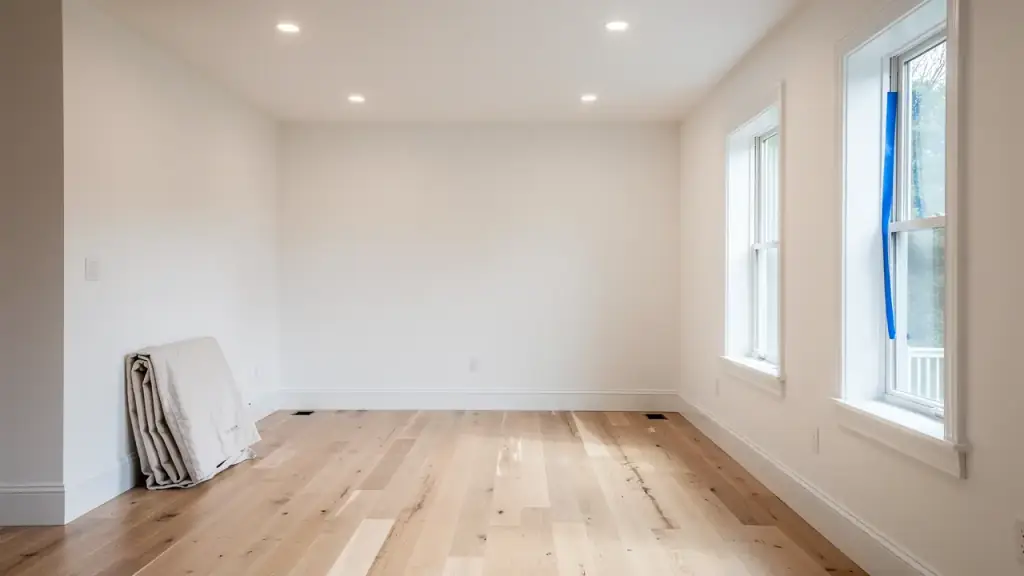
The contractor has packed up. The new floor looks great, the paint is fresh, and the kitchen finally works the way you imagined. Then you run a finger along the windowsill and it comes away gray. You wipe the counters in the morning and they have a film on them by afternoon. This is one of the most common frustrations at the end of a renovation, and there is a real reason for it.
Why construction dust is different
Cutting tile, sanding drywall, sawing lumber and drilling into plaster all turn solid material into very fine powder. That powder is lighter and finer than the dust that builds up from daily life, so it floats in the air, travels through the house, and lands wherever the air slows down. Even when the work was confined to one room, dust can drift into the hallway, up the stairs and into closets with the doors open.
It also does not stay put once it lands. Every time you open a door, turn on the heat or walk across a floor, some of it lifts and resettles. That is why a single wipe-down seems to work for an hour and then the surface looks dirty again. The dust has to be removed from the house, not just moved around.
Where it hides
- Window sills, tracks and frames, especially behind curtains
- Tops of door frames, baseboards, trim and picture rails
- Vents, registers and return grilles
- Light fixtures, ceiling fans and the tops of cabinets
- Inside drawers, closets and cabinets that were open during the work
- Hard floors and the edges where floor meets wall
Surfaces at eye level get wiped without much thought. The trouble is the high and the low: the upper edges of shelves and frames, and the floor edges where dust gathers along the wall. Vents deserve a second look, since they move air through the house and push dust back out into the rooms.
What a post-construction clean is for
DA Maids lists Post-Construction Cleaning Services among its offerings, and the idea behind this kind of service is simple: it goes beyond the regular cleaning of a lived-in home and focuses on the residue the work left behind. That typically means fine dust on ledges and trim, marks and film on windows and glass, dust in and around vents, and the floors, which get done last so they end up clean when the cleaners leave.
It helps to be clear on what it is not. A cleaner is not there to haul away building debris, scrap lumber or leftover materials. That belongs to your contractor, and it should be done before cleaning begins. If you are not sure what your contractor will remove, ask before the final day, not after.
Timing makes all the difference
The best moment to book a post-construction clean is after all the trades have finished and before you move furniture back in. That means the painters, flooring crew, electricians and anyone else who makes a mess have been and gone. If you clean while work is still going on, the next person with a saw or a sander will undo it.
Clearing the room first also saves effort. With the furniture still elsewhere, the cleaners can reach every wall, corner and edge, and nothing needs to be moved or lifted. Once the sofa and bookshelves are back, those spots become hard to get to. If the project was large, you may also want to talk about an ordinary cleaning a week or two later, to catch the fine dust that is slow to settle.
What you can do beforehand
A few steps before the cleaners arrive make the job go better. Ask your contractor to remove trash, leftover materials and tools. Pull up any plastic sheeting or tape that is no longer needed, but leave the blue painter's tape on windows if the paint is still curing and check with the painter about when it is safe to take it off. Replace the furnace or air handler filter if the system ran during the work, since it is often loaded with dust. Keep windows closed during the final clean so more does not drift in.
It also helps to walk the house with your contractor and note any spots that need touch-up, like paint drips on a floor or a smear on glass. Those are better settled before the cleaning crew arrives than after.
Ask what the estimate covers
Every renovation is different, from a single bathroom to a whole first floor, so the right amount of cleaning is different too. Explain what was done, how many rooms were involved and when the work finished, and ask exactly what the clean will include. DA Maids offers free estimates, and you can reach the team at (908) 414-1425 or through the contact page.
DA Maids Llc., (908) 414-1425
Call (908) 414-1425More articles
How Often Should You Have Your House Cleaned? Weekly, Bi-Weekly or Monthly
The right schedule depends less on the size of your house and more on how fast it goes from fine to frustrating.
A Move-Out Cleaning Checklist for New Jersey Renters and Sellers
The last clean of a home is the one landlords and buyers look at hardest, and a little planning makes it much easier.